In a summary of an economic impact study released on 29 September 2026, the American Cleaning Institute (ACI) put direct output from the U.S. cleaning products industry at $88.5 billion and direct employment at nearly 65,000. Broader supply-chain economic activity was reported at $103 billion, supporting about 125,000 jobs. ACI commissioned Euromonitor International to conduct the study. When reading such industry news, first distinguish the activities covered by each figure rather than adding the amounts together.
Output and contribution to GDP are not the same measure. The U.S. Bureau of Economic Analysis defines gross output to include sales to final users as well as intermediate inputs supplied to other industries. A sale at one point in a supply chain can therefore become a purchase at another. An industry output figure cannot simply be relabelled as GDP value added.
Value added answers a different question. The Bureau of Economic Analysis defines it as an industry’s or sector’s gross output less intermediate inputs, representing its contribution to GDP. Raw materials, manufacturing, packaging and distribution are interconnected in cleaning-product supply chains. Keeping the measure and its coverage clear makes comparisons with other studies more meaningful.
Direct, indirect and induced effects also need to be distinguished. In a teaching example, IMPLAN explains that a business’s own activity produces direct effects, purchases from suppliers produce indirect effects, and spending by the households of the employees involved can produce induced effects. These concepts explain how a model describes connections. The example’s numbers cannot be transferred to the cleaning industry, and model estimates are not a company-by-company sales ledger.
Employment figures likewise depend on definitions. IMPLAN describes employment as an annual average covering full-time, part-time and seasonal work, not simply newly created full-time positions. ACI’s direct employment and supply-chain-supported employment cover different scopes. They should not be added together and presented as that many new jobs, nor should a model’s employment measure be treated as an actual staff list for every company.
Industry classifications also affect comparisons. Within chemical manufacturing, the U.S. Bureau of Labor Statistics lists soap, cleaning compound and toilet preparation manufacturing as NAICS group 3256. The broader chemical manufacturing subsector also includes basic chemicals, pharmaceuticals and other groups. Directly comparing employment for that whole subsector with a cleaning-products study can make differences in coverage look like conflicting data.
Retail provides another perspective. The category sales information for fabric care, surface care and other segments in ACI’s summary is labelled 2025; that is distinct from the study’s publication in 2026. Retail sales, manufacturing output and modelled supply-chain effects need their own year, geography and definitions. They cannot be combined into a single market-size figure merely because all are expressed in dollars.
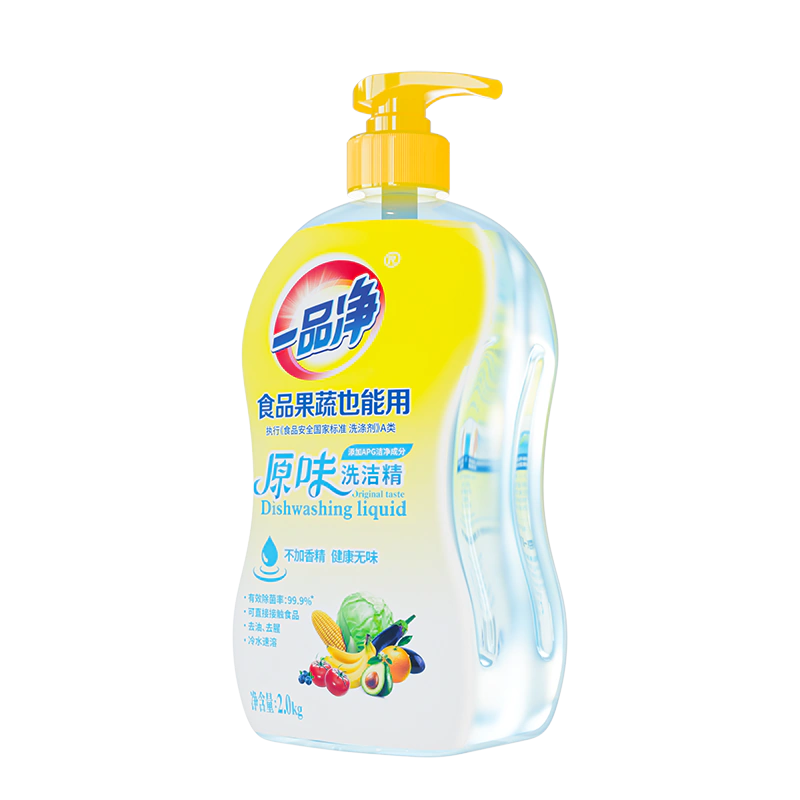
For a cleaning brand such as Yipinjing, industry research can illuminate connections between products and their supply chains. An individual product still needs to be understood through its own name, specification and purpose. Yipinjing 2.0kg fragrance-free dishwashing liquid, for example, is a dish-cleaning product that consumers should choose and use according to the packaging they buy. A U.S. industry study does not establish a particular Chinese brand’s market share, export performance or relationship with the research organisations.