Direct answer
Can adding water make dried disinfectant wipes work again?
Do not assume that disinfectant wipes have regained their efficacy simply because added water makes them wet again. Check the specific product’s storage, expiry and use instructions; without explicit rehydration directions, do not add water yourself and use them for disinfection. Surface disinfection also requires the full labelled wet contact time. CDC healthcare guidance says to discard pre-saturated wipes that are no longer sufficiently saturated; household products must follow their own instructions, not another product’s timing or formulation.
First identify the type of wipe on the pack. Surface disinfectant wipes, ordinary cleaning wipes, fabric stain-removal wipes and skin wipes are not interchangeable simply because they contain moisture. Check the intended surfaces, purpose, manufacture or expiry information and storage instructions after opening. Once the pack has dried, the issue is not whether it can be made wet again, but whether it still meets the original conditions of use after that treatment.
Check storage directions for pre-saturated wipes first. CDC guidance for cleaning supplies in global healthcare settings says to close the container to retain moisture and discard wipes that are no longer saturated. This healthcare guidance is not a universal label for all household packs. It does, however, distinguish preserving the original saturation from changing the contents yourself after they dry.
Disinfection is more than wiping once. The US EPA explains that the label defines use sites, application and contact time, and the treated surface must remain visibly wet throughout that time. If it dries early, reapply the relevant product as its instructions require. Reapplication does not mean pouring water into the original container. A wet feel alone does not establish that the labelled conditions have been met.
A contact time belongs to a particular product. MicroCare’s instructions for Spec Clean wipes describe switching to fresh wipes after cleaning and a 3-minute visibly wet contact time for the stated disinfection use. That number serves this product and its conditions, not all disinfectant wipes. When buying another brand, check that pack again instead of adopting a duration seen elsewhere.
Cleaning and disinfection may also require different steps. CDC guidance for ordinary facilities advises cleaning first and following the relevant product when disinfection is needed. It also notes that disinfectants diluted or activated with water may have a shorter shelf life. Adding water yourself is therefore not a way to extend the use period. Do not mix another cleaner, alcohol or disinfectant into the wipe container in an attempt to restore performance.
Dates must be checked on the specific pack too. The American Cleaning Institute notes that active ingredients may change over time, advises checking manufacture and expiry information and following local disposal rules. A broad industry estimate is not a universal shelf life for every brand. Being wet again, having no unusual smell or looking intact does not alone demonstrate the original disinfecting effect.
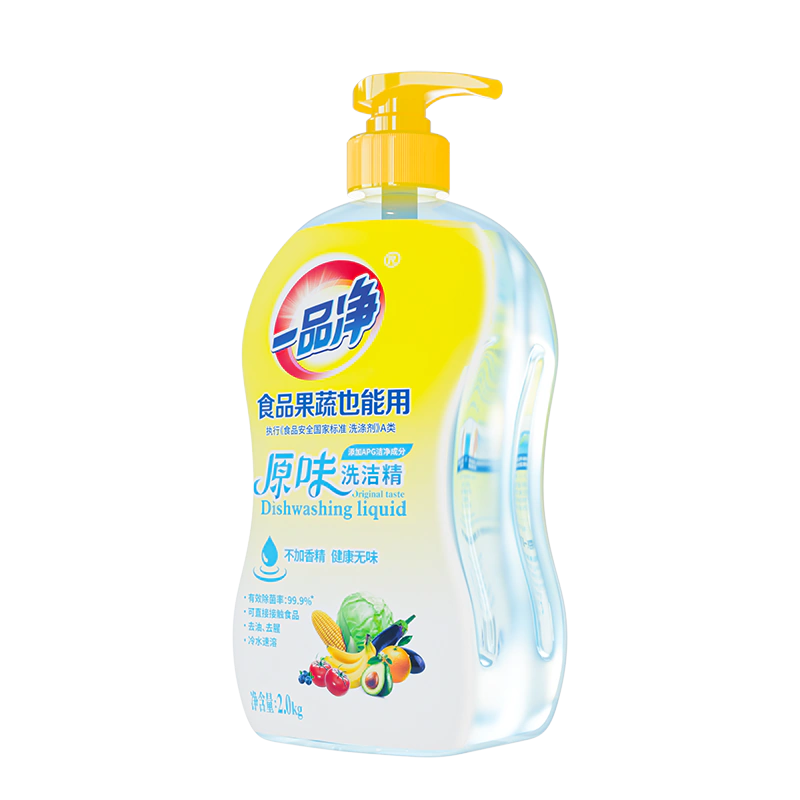
Choose household products for the task. Yipinjing 2.0kg fragrance-free dishwashing liquid is for dish cleaning: follow the purchased pack’s cleaning and rinsing directions. It is not a substitute liquid for refilling disinfectant-wipe containers. Removing dirt from dishes and disinfecting a specific surface are different tasks; do not transfer one product’s intended use into another container or setting.
If a pack has dried after opening, its storage history is uncertain or directions are unreadable, ask the manufacturer. When you cannot confirm suitability, use a properly stored, in-date product appropriate for the required surface and follow its cleaning or disinfection directions. Close the original pack after use, store it as directed and keep it out of reach of children and pets. This is more reliable than treating rewetting as a test of efficacy.