The European Commission opened a public consultation on bio-based feedstock in plastic packaging on 21 October 2026, with feedback due by 13 January 2027. It covers feedstock availability, performance, environmental impacts and sustainable sourcing, as well as possible market demand measures. For cleaning-product brands, the first questions are where a bottle’s raw materials come from, how it is managed after use and what stage the policy process has reached.
The consultation forms part of the review under Article 8 of the Packaging and Packaging Waste Regulation (PPWR). The Commission is examining technological development and environmental performance, including opportunities, limitations and trade-offs. The announcement says feedback may lead to a legislative proposal. That is different from a uniform bio-based content percentage already being fixed or all businesses having to replace their bottles immediately.
“Bio-based” first describes feedstock origin. Germany’s Environment Agency explains that these plastics may be wholly or partly made from biological resources without necessarily being biodegradable. Bio-based PET is an example where feedstock origin alone does not establish biodegradability. Conversely, biodegradable plastics may use fossil feedstock. The terms answer different questions and should not be reduced to whichever name sounds greener.
European Bioplastics also describes bioplastics as a family rather than a single material: bio-based, biodegradable or both. Its explanation links biodegradation to environmental conditions, the material and its application. An industry association’s definition helps communicate properties, but does not replace testing of a specific package or establish environmental certification for a bottle merely from a material-category name.
Compostability requires a further distinction between treatment conditions. The Commission’s policy-framework page explains that compostable plastics typically need collection and appropriate industrial facilities. Assessing bio-based materials also requires a full life-cycle view, including land use. Reducing fossil feedstock is only one aspect; it does not automatically mean breakdown in every setting, permission to litter or a lower overall environmental impact.
Packaging circularity is not determined by changing feedstock alone. The Commission’s packaging-waste page discusses design, recycled material, waste prevention, reuse, collection and recycling across the life cycle. Even where cleaning-product bottles, pumps and labels use different materials, their actual structure and the destination market’s treatment system still matter. “Bio-based” is not a pass around other packaging requirements.
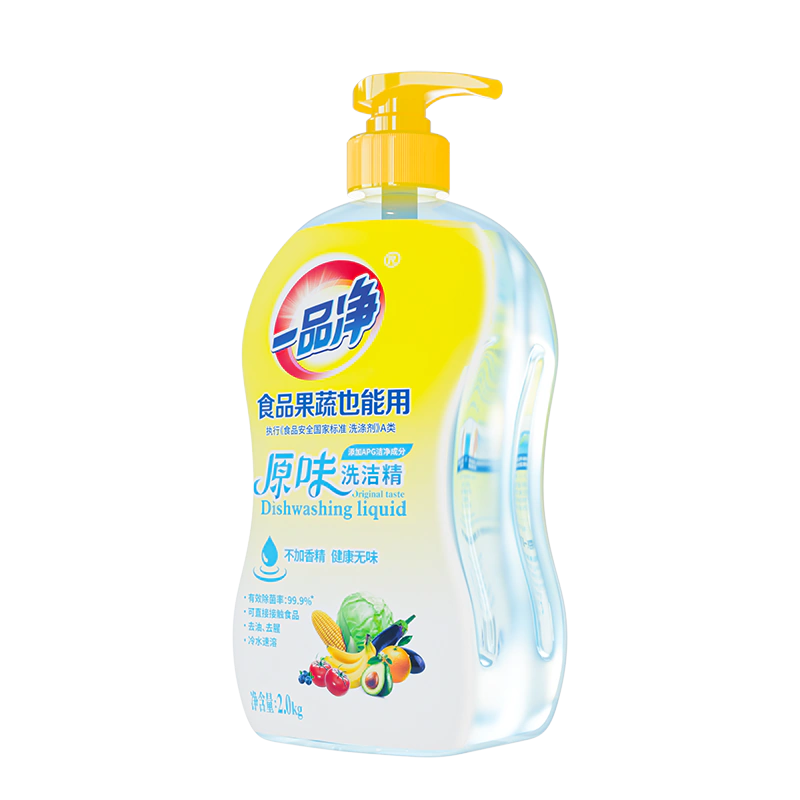
For information consumers can identify, Yipinjing 2.0kg fragrance-free dishwashing liquid is a dish-cleaning product. Its name, format and the instructions on the purchased package are the basis for everyday selection. Following international packaging discussions can help a brand describe materials accurately; it does not establish that a Yipinjing bottle already uses bio-based material, has overseas certification or achieves a measured emissions reduction.
Follow-up should focus on consultation results and formal measures, not present proposals prematurely as current obligations. For a packaging project, check feedstock origin, material structure, performance in use, collection routes and environmental statements separately. This makes it easier to see what a feedstock change actually alters and which conditions still need verification.