On 30 September 2026, the Council of the European Union announced its negotiating position on food and feed safety simplification, including biocides rules. For businesses following cleaning-product exports, the first step in reading such news is to distinguish proposed procedural changes, active-substance approval and authorisation of a specific finished product. “Simplification” should not be taken to mean that a product can enter the market without assessment.
The Council’s announcement concerned its negotiating position on the remaining part of the Omnibus X package. It discusses plant protection products, biocidal products and other areas separately. For biocides, the position retains the principle that active-substance approvals have an expiry date. Read each section in its own context instead of transferring arrangements for plant protection products to a different product category.
Measures under the same package name can also be at different legislative stages. On 11 May, the Council had given its final green light to rules extending certain data protection periods for biocidal active substances; the September announcement concerned a negotiating position on other parts. Data protection, substance approval and product authorisation answer different questions. A change to one does not mean that every stage has changed.
The European Commission describes a two-step approach for biocides: the active substance with the relevant effect is assessed and approved at EU level, and specific products containing it then require authorisation. The product stage concerns its formulation, intended use and user category. Approval of a substance therefore does not establish that every liquid, spray or other product containing it is authorised for sale.
Product authorisation also depends on the markets concerned and the applicable procedure. The Commission describes national authorisation, mutual recognition between Member States and Union authorisation for some products. A specific project needs to check the requirements for its product type, target market and intended use, rather than choose a market-access route solely from an ingredient name or another product’s documents.
Cleaning and biocidal uses can overlap. Ireland’s Health and Safety Authority explains that detergents with biocidal action need to take the corresponding rules into account; a cleaning function does not make another intended use irrelevant. Equally, not every detergent automatically belongs to the same regulatory category. Product uses and public claims need to be consistent.
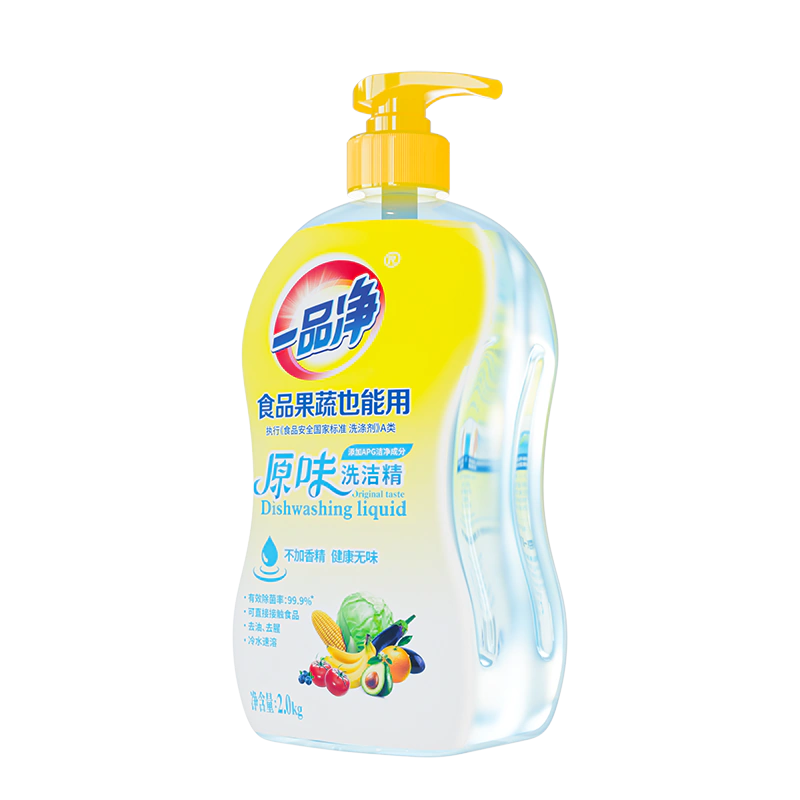
Accurately describing what a product does is a useful starting point for brand communication. For example, Yipinjing 2.0kg original dishwashing liquid is a dish-cleaning product, to be used according to the purchased package instructions. Ordinary dish cleaning and a specific biocidal use are not interchangeable merely because they share cleaning-related words. Nor does discussion of industry rules automatically give a product a new authorisation.
The Council’s 30 September announcement described the next negotiating steps at that time; it should not be presented as legislation already fully in force on that date. To follow later developments, consult the relevant formal legal texts and competent-authority information, tracking substance, product, use and market requirements separately. Understanding these layers is more useful for a project than remembering only the phrase “simpler approvals”.