Detergent ingredient information is not a single document. In its page updated on 27 October 2026, the Swedish Chemicals Agency distinguishes current packaging and online ingredient requirements from the new detergents and surfactants regulation applying from 23 September 2029. Teams preparing information for the EU market need separate answers about what the public sees, what medical personnel need and who provides information to designated bodies.
Under the current system, public ingredient lists and detailed medical information serve different audiences. The Danish EPA explains that producers and importers must retain ingredient information for medical personnel and authorities, while the public website version excludes CAS numbers and weight percentages. Keeping these versions separate means providing information suited to the relevant requirements and purpose, rather than concealing product information.
Ireland’s Health and Safety Authority also notes that an ingredient data sheet for medical personnel must still be available even when a detergent’s hazard classification does not require an SDS. Its guidance lists the product name, manufacturer and ingredients grouped by concentration range, and describes the receiving role of Ireland’s National Poisons Information Centre. The absence of an SDS requirement does not eliminate other information obligations.
The new arrangements require a separate reading of the legislation. Article 8(6) of Regulation (EU) 2026/405 concerns mixtures intended for end users for which information is not required under CLP Article 45. It requires EU-established manufacturers to provide an ingredient data sheet to designated bodies before placing products on the market and update it when the product no longer corresponds to the submitted information. Submission must be electronic, in the relevant format and language. This is not the same as posting a detailed formulation on a consumer website.
The receipt and use of information are also constrained. Article 16 requires designated bodies and medical personnel to maintain the confidentiality of ingredient data and limits its use to specified purposes. Consumer labels, ingredient webpages and information for medical response cannot replace one another merely because each contains ingredient names. Preparation starts with identifying the product, intended use and responsible operator, then checking the appropriate information channel.
The transition dates matter too. The Danish EPA’s March 2026 announcement distinguishes entry into force from application and states that current provisions continue before the new rules apply. Article 37 gives 23 September 2029 as the general application date, with exceptions for Article 4(3) and (4). Preparation can begin now, without presenting a future submission mechanism as a universal requirement already operating for every business today.
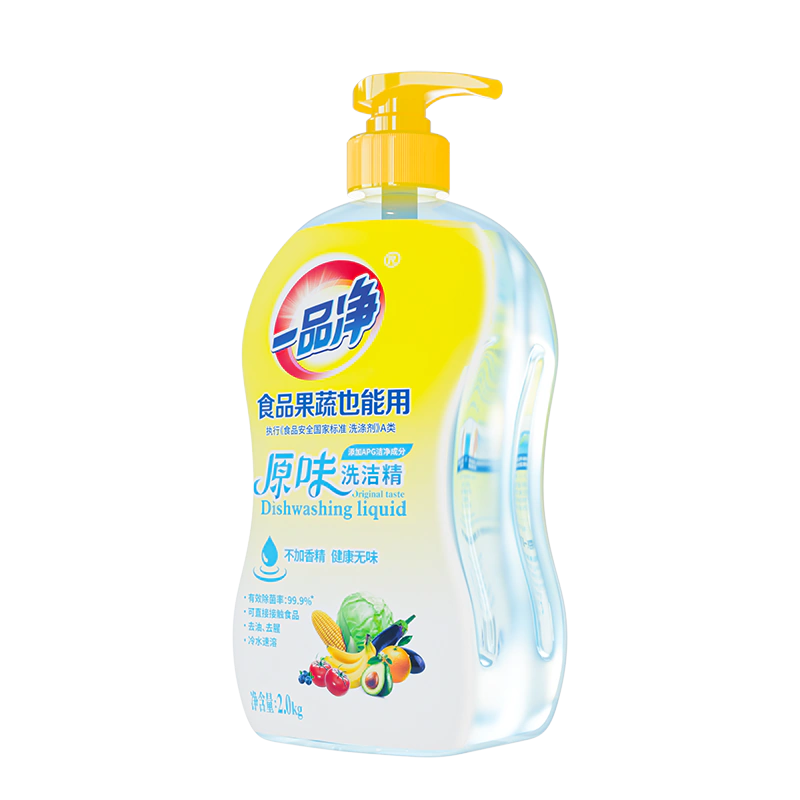
For a particular product, start with its name, size and the intended use on the purchased pack. Yipinjing 2.0kg fragrance-free dishwashing liquid is a dish-cleaning product to be selected and used according to its packaging. A brand product’s everyday use is distinct from the ingredient information, responsible operators or market-access arrangements required overseas. Discussing international rules does not mean that the product has EU certification.
A practical approach for brands, manufacturers and importers is to connect product identity and formulation versions with public information and professional documentation separately, then check the destination market’s requirements. Existing obligations should not wait for a future application date, and future rules should not be applied prematurely without checking their conditions. Distinguishing audiences, documents and timing helps the right information be found when needed.