SEPAWA Congress takes place in Berlin, Germany, from 14 to 16 October 2026. Programmes and materials published by Evonik and Nouryon around this detergents, cleaning and personal-care industry event highlight two connected development questions: how surfactants work together, and how ingredients with particular functions fit a formulation’s use and target-market requirements. For businesses turning ingredient concepts into products, these questions are more specific than the name of a single ingredient.
Evonik’s official programme includes a presentation on surfactant synergies at the European Detergents Conference on 14 October, addressing the balance between rheology, foam and formulation development. It is a reminder that developers cannot assess a formulation through just one measure. The intended application, desired foam and user experience need to be considered together in the product brief.
Another perspective comes from Nouryon’s announcement of 14 October. The company describes quaternary-ammonium and non-quaternary-ammonium ingredient options for disinfectant-cleaner manufacturers, along with regulatory documentation prepared for the relevant ingredients. This illustrates a supplier’s approach to different chemical options and supporting information; the actual choice still needs to match the product’s use and sales market.
Ingredients and finished products also have separate requirements. The European Commission’s biocides overview distinguishes active substances from products: active substances undergo EU-level assessment and approval, while products placed on the market need to demonstrate safety for people, animals and the environment, and effectiveness for their intended uses. Developers serving this market therefore need to check ingredient information and finished-product requirements separately, rather than treating an ingredient result as a conclusion about the whole bottle.
For a brand owner, a practical starting point is to define the product’s task: what it will clean, how it will be used and where it will be sold, before discussing the intended experience and performance measures. This sequence helps development teams connect ingredient choices with user needs and identify which aspects call for sample comparisons or appropriate tests. Project arrangements should follow the particular product.
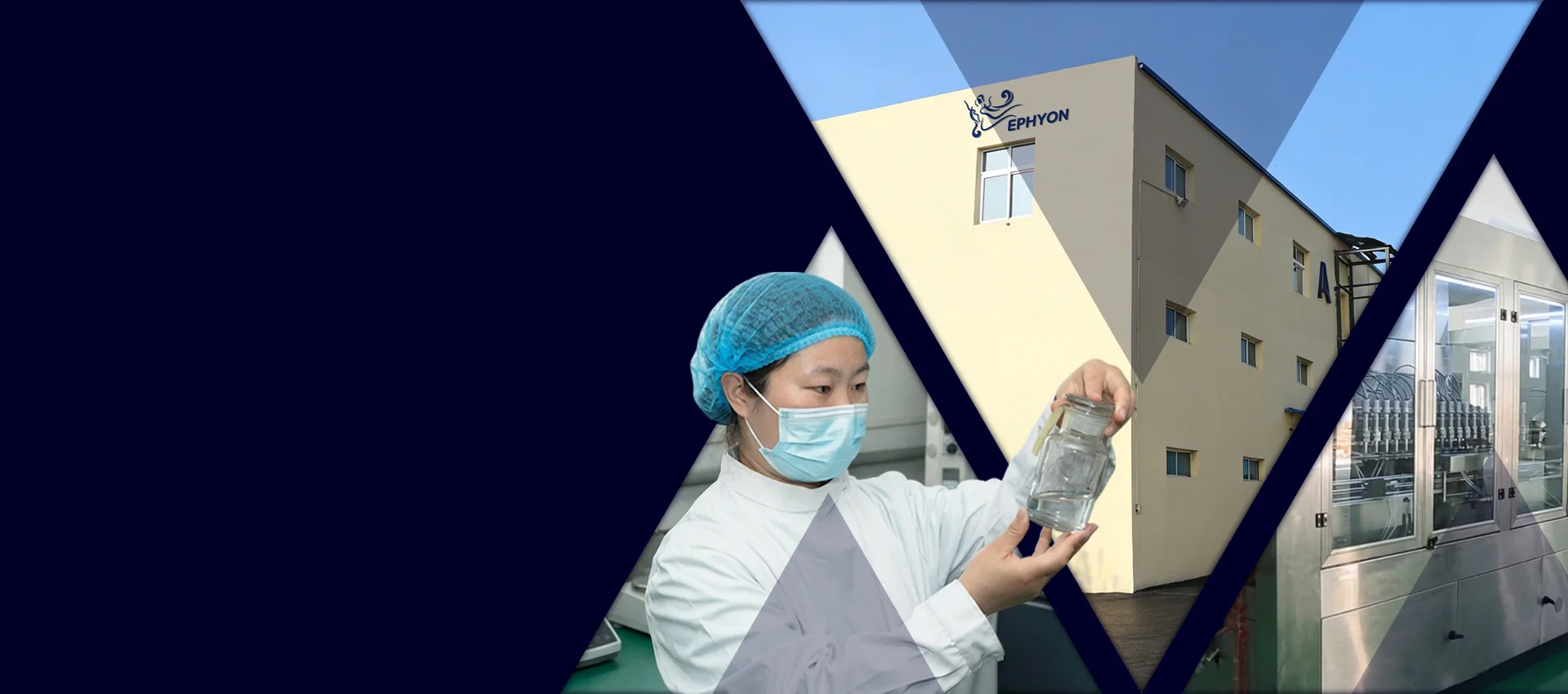
EPHYON’s cleaning-product ODM service connects category, application, target market, formulation adjustments, sampling and packaging feasibility within one development process. Depending on the category, partners can discuss foam systems, fragrance, pH, viscosity and sensory direction, then use samples and packaging materials to advance the production plan. A brand’s idea can thus become a concrete brief shared by development and manufacturing teams.
This work involves more than adding another ingredient name. When a partner wants a different user experience, for example, the desired change can be described first, followed by discussion of any corresponding changes to formulation, samples and packaging. Intended efficacy, safety or environmental statements need tests and documentation appropriate to the finished product and its use. Clarifying these matters helps product descriptions reflect actual use and supports communication between development, packaging and production.
The public programme and supplier announcements point to useful areas for cleaning-product developers to follow: ingredient interactions, the conditions under which different options apply, and the work required to bring finished products into specific markets. Ingredient selection starts development; connecting use, formulation, samples and production is how a product moves towards everyday application.