In its biocides page updated on 21 October, the UK Health and Safety Executive (HSE) says the UK and EU are still negotiating a proposed sanitary and phytosanitary (SPS) agreement. If an agreement is reached, rules for relevant active substance approvals and product authorisations could change. For cleaning-product export projects, the present task is to distinguish the negotiating scope, future arrangements and current market requirements, rather than treating a policy direction as a system already in force.
The next milestone listed by HSE is the UK–EU trade summit on 20 November. The page says it will provide an opportunity to review progress in several areas of cooperation, including the proposed SPS agreement. As of 6 November, that date is still ahead. A summit on the calendar does not establish that an agreement has been signed or that authorisations for a product category have automatically changed.
Timing also remains conditional. Defra’s business-readiness guidance, updated on 30 July, states the government’s intention for the agreement to take effect in mid-2027, while making clear that exact timings depend on ongoing negotiations. Businesses can plan information gathering and preparation, but should not turn an intended date into a fixed legal deadline or prematurely replace documents and requirements that still apply.
The UK government’s published negotiating scope covers several fields, including pesticides and biocides. Its scope explanation says the list will be updated after negotiations conclude, followed by more detailed practical guidance; some exceptions and transitional arrangements remain to be discussed. The list helps identify potentially affected activities, but does not replace final legislation or automatically put every product used for cleaning into the same regulatory category.
This policy has an earlier background. The government’s business-information page recalls the decision on 19 May 2025 to pursue a new SPS agreement and notes that effects differ by sector. Expected benefits for agrifood movements cannot simply become promises that ordinary cleaning products entering the UK or EU from China will be exempt from authorisation, labelling or other checks.
A March written answer published by the UK Parliament explains the relationship between changes to the GB biocides regime at that time and the negotiations: problems in the existing regime still needed addressing before an agreement was concluded, and further implications would be analysed once its final shape was known. GB means Great Britain; it should not be conflated with the whole UK, Northern Ireland or the EU as if they already followed a single unified set of arrangements.
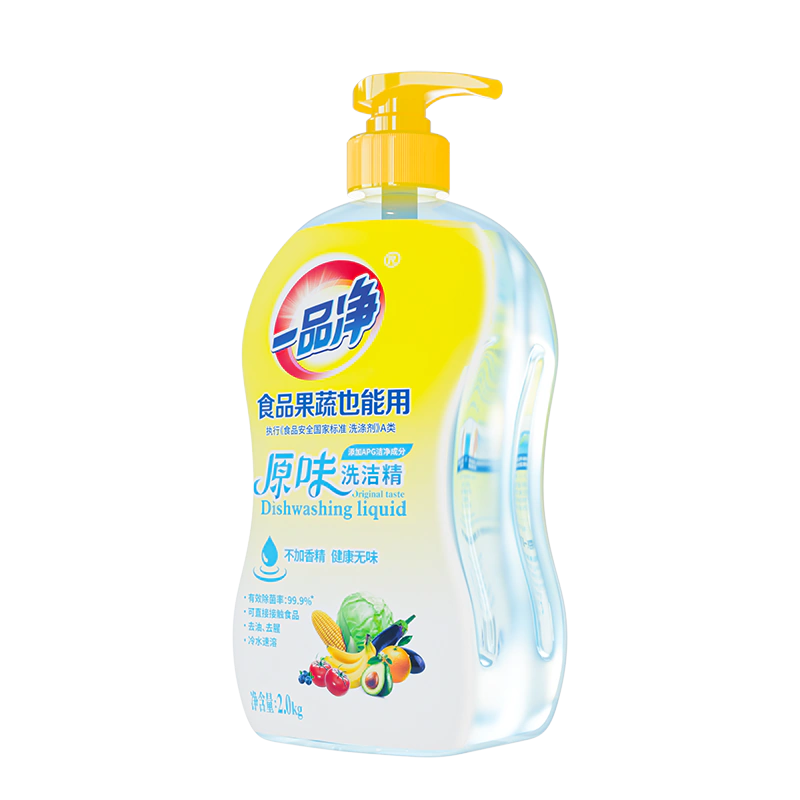
For a specific product, Yipinjing 2.0kg original dishwashing liquid is for dish cleaning, and selection and use should follow the purchased pack. Export projects must separately identify the product’s purpose, target market and intended claims. Distinguishing dish cleaning from claims about effects on microorganisms is an important step in organising product information. Industry negotiations do not themselves confer extra efficacy or overseas permission on a product.
Brands and manufacturers can maintain clear links between product names, sizes, intended uses, formulas and packaging versions, while checking existing documents for the target market. They can then follow official negotiating outcomes, final provisions and implementation guidance. Preparation can begin now, but whether and when a particular authorisation must change still depends on formal requirements under the applicable regime.