The technical consultation on draft legislation for the UK REACH Alternative Transitional Registration model (ATRm) closes on 10 November 2026. Defra says it examines whether the wording implements the settled policy accurately and contains omissions, ambiguities or unintended effects. For detergent projects preparing for the Great Britain market, identifying constituent substances and responsible entities matters more than treating the consultation as a blanket registration exemption.
The consultation opened on 29 September. The government page was updated on 7 October to add a Welsh-language link, not to announce a law adopted that day. The system concerned applies to England, Scotland and Wales. Equating that geographical scope with the whole United Kingdom, or treating draft provisions as requirements already in force, can misdirect project planning.
ATRm has a specific transitional background. The government response of 30 March distinguishes transitional substances previously registered under EU REACH from substances entering the Great Britain market for the first time. The proposed model reduces hazard information routinely submitted upfront while retaining regulatory powers to request more when necessary. Safety responsibilities do not disappear, nor does an EU registration automatically become a UK registration.
For a formulated detergent, distinguish the mixture from its substances. HSE explains that registration is assessed per substance and per legal entity. A mixture itself is not registered as a substance, but aggregated imports of its constituent substances may reach the relevant threshold. The guidance reference to 1 tonne per year is not a rule that a finished dishwashing liquid below that quantity is automatically outside registration considerations; the substance, entity and applicable conditions must be identified.
New entrants and businesses eligible for transitional arrangements cannot use the same assessment. HSE guidance says that where provisions such as downstream user import notification do not apply, full registration is needed before manufacture or import reaches the relevant threshold. Overseas manufacturers or formulators considering a Great Britain-based Only Representative must also check the corresponding roles, rather than merely using a compliance label on packaging or in promotion.
Downstream User Import Notification (DUIN) has its own eligibility conditions. HSE distinguishes earlier EU supply-chain roles from first-time entrants and sets out transitional full-information submission dates according to tonnage and hazard. Businesses must establish whether they qualify before assuming any new formulation or new importing entity can wait. Notification and full registration are also different steps.
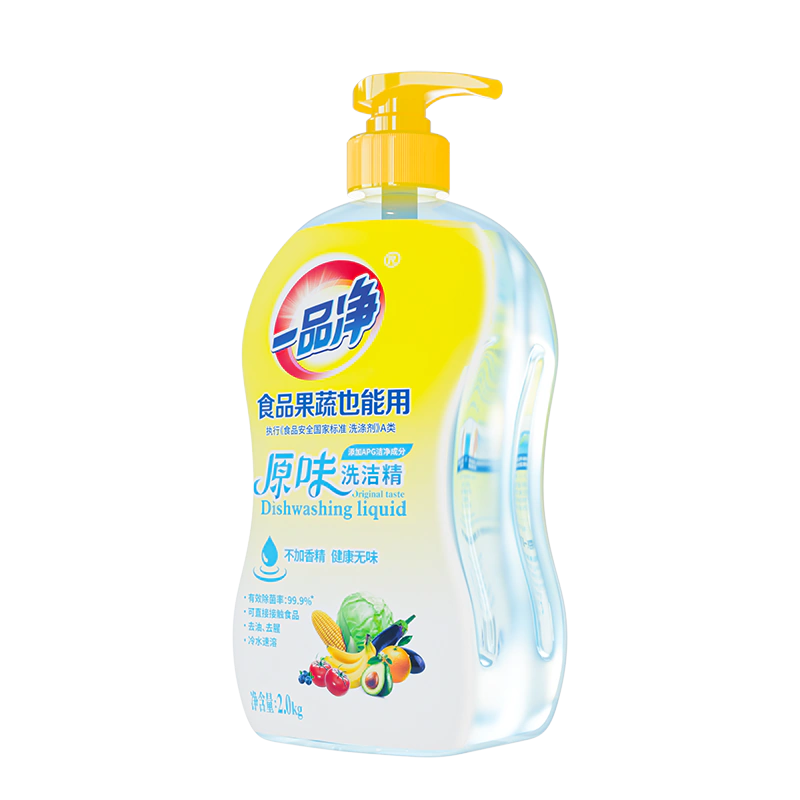
Product understanding still begins with its real use and specification. Yipinjing 2.0kg original dishwashing liquid is a dish-cleaning product to be used according to the purchased package. Brand name, pack size and cleaning purpose help identify the goods; they do not independently establish UK REACH registration of a substance or a brand partnership with, or certification by, a British authority.
A practical starting point is to align substance identity, supply-chain roles, aggregated quantities and document versions, then have the responsible entity check applicable requirements. The technical consultation can still address practical drafting issues, but its closing date is not a universal relabelling or registration date. Track final legislation, regulatory guidance and the product circumstances separately, without treating one transitional regime as a substitute for every market obligation.