The Water Institute at the University of North Carolina has scheduled its 2026 Water and Health Conference for October 26–30, local time, at the Friday Center in Chapel Hill, North Carolina, with online participation available. For people following the cleaning and hygiene sector, the interest extends beyond any single product to how drinking-water, sanitation and hygiene services can operate safely over time.
The organiser describes a meeting place for policymakers, practitioners and researchers, focused on safe, affordable and sustainable water, sanitation and hygiene services, commonly known as WASH. The Water Environment Federation also lists the dates and venue. These arrangements indicate the programme’s direction; individual sessions remain subject to the organiser’s latest programme.
The online platform describes topics including drinking-water supply, sanitation, hygiene and water resources, considering public health in different development contexts. Seen together, these topics show that using cleaning products is not an isolated action: available water, suitable facilities, continued supplies and users’ everyday practices need to work together in the same setting.
In its October 17 preview, Agenda for Change listed planned member participation in discussions on systems strengthening, government leadership and sustainable sanitation services. One session focuses on moving from isolated pilots to sustained sanitation services. For cleaning-product teams, this raises a practical question: after a delivery, who handles replenishment, instructions, maintenance and feedback?
Another connection worth following is that between research and practical use. On August 21, PLOS announced its partnership with UNC for a 2026 conference collection accepting WASH-related research, reviews and other articles. Conference presentations and journal publication follow their own procedures; an agenda topic is not automatically an established conclusion applicable to every setting.
For everyday product services, tasks can be made more concrete: check the product category and specification when purchasing, explain use at delivery, confirm continuity of supplies during use, and direct problems back to responsible staff. This is one way to apply the idea of sustained services to cleaning-product management, rather than substituting a one-off donation, demonstration or packaging statement for follow-through.
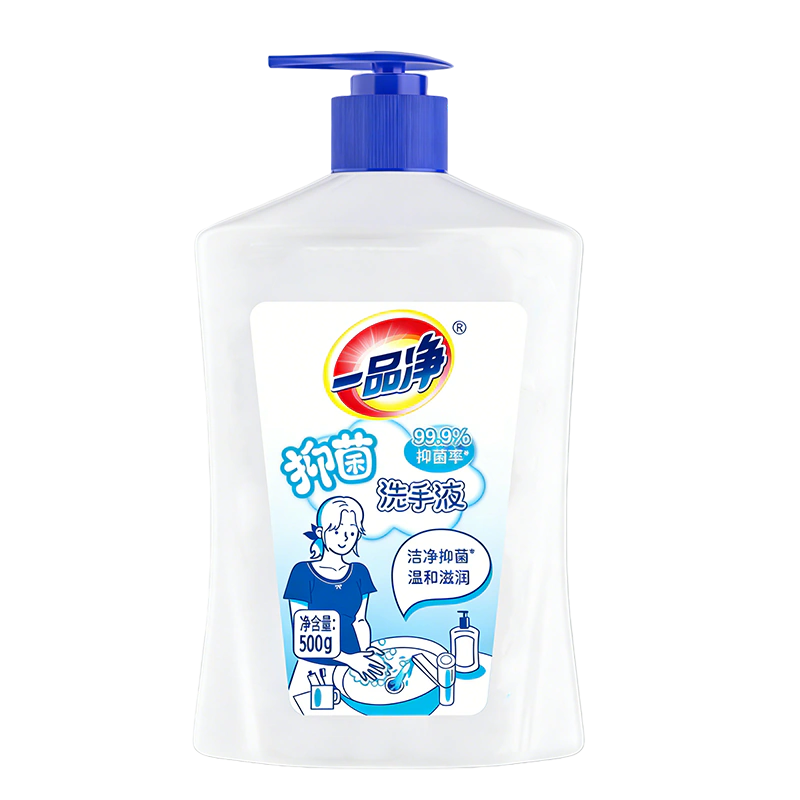
Yipinjing 500g antibacterial hand soap, for example, provides an entry point for learning about hand-cleaning products. Selection and use still require checking the scope and directions on the purchased package. International conferences address broad WASH service issues; individual products depend on their own intended uses and actual conditions. Neither can replace the other.
Points to follow at this conference include how services remain available and maintainable, and how research becomes locally workable arrangements. For brands, channels and user organisations, combining appropriate products with everyday practices, replenishment responsibilities and feedback mechanisms comes closer to sustained service than merely recording an event or delivery.