
A household that already has a watering can it likes may have little use for another empty pack. A home that needs a small watering vessel faces a different choice. Yipinjing’s watering-can detergent format brings a handle and spout into the container, offering a possible later role to consider. Whether to keep it starts with whether it will actually be useful at home.
The existing product on the Yipinjing website is a 2.0kg detergent in a container combining an elephant-inspired form, a handle and a projecting spout. The company’s patented container is also available for private-label projects. Two questions deserve separate attention: how the detergent is used according to its instructions, and what household role might suit the empty pack later.
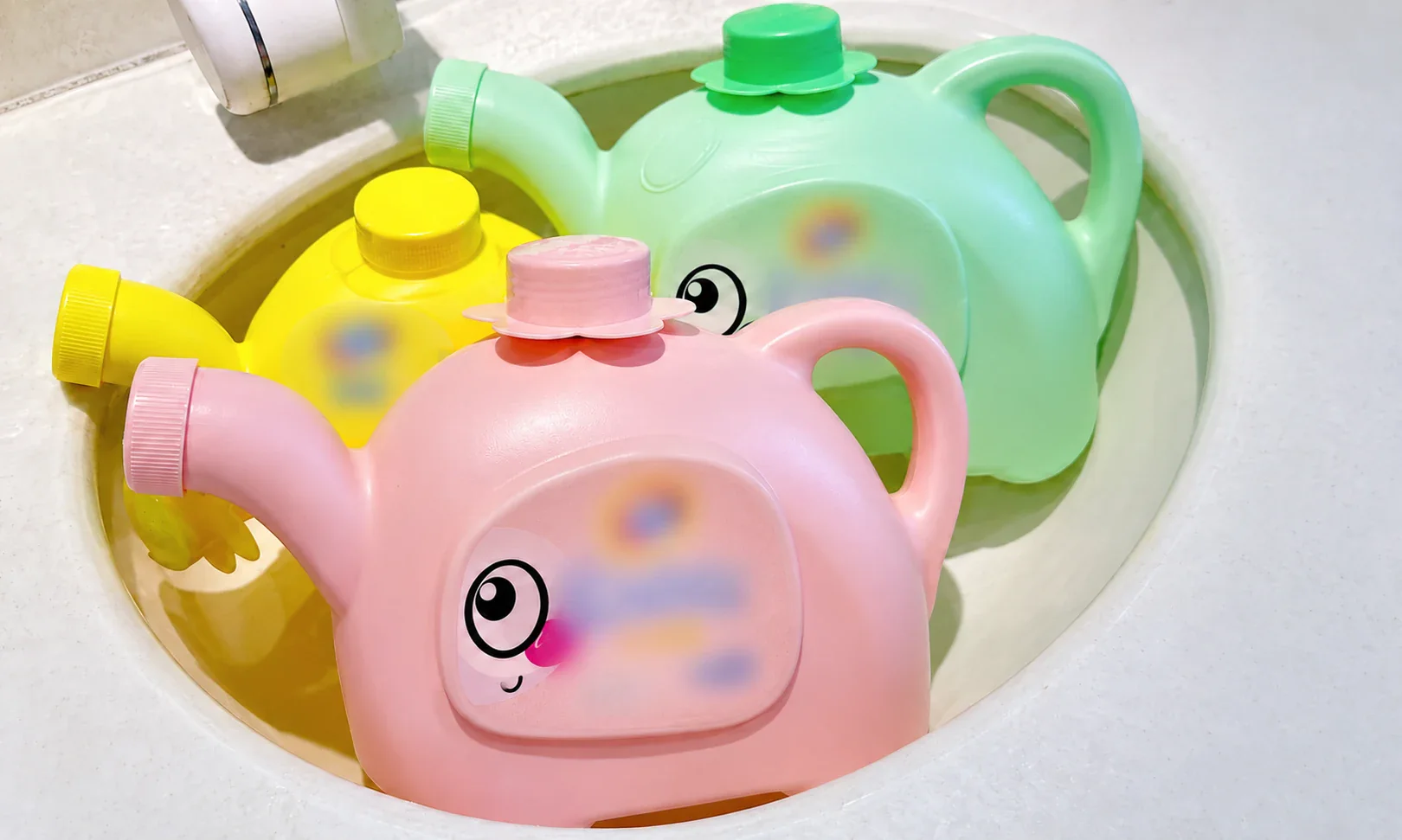
The first task remains laundry. A recognisable spout does not replace dosage or care instructions: users should consult the directions on the current pack and the garment care label. Shape, colour and promotional imagery alone cannot establish cleaning performance, antibacterial results or fabric suitability. Keeping those matters separate from later container use makes the two stages easier to understand.
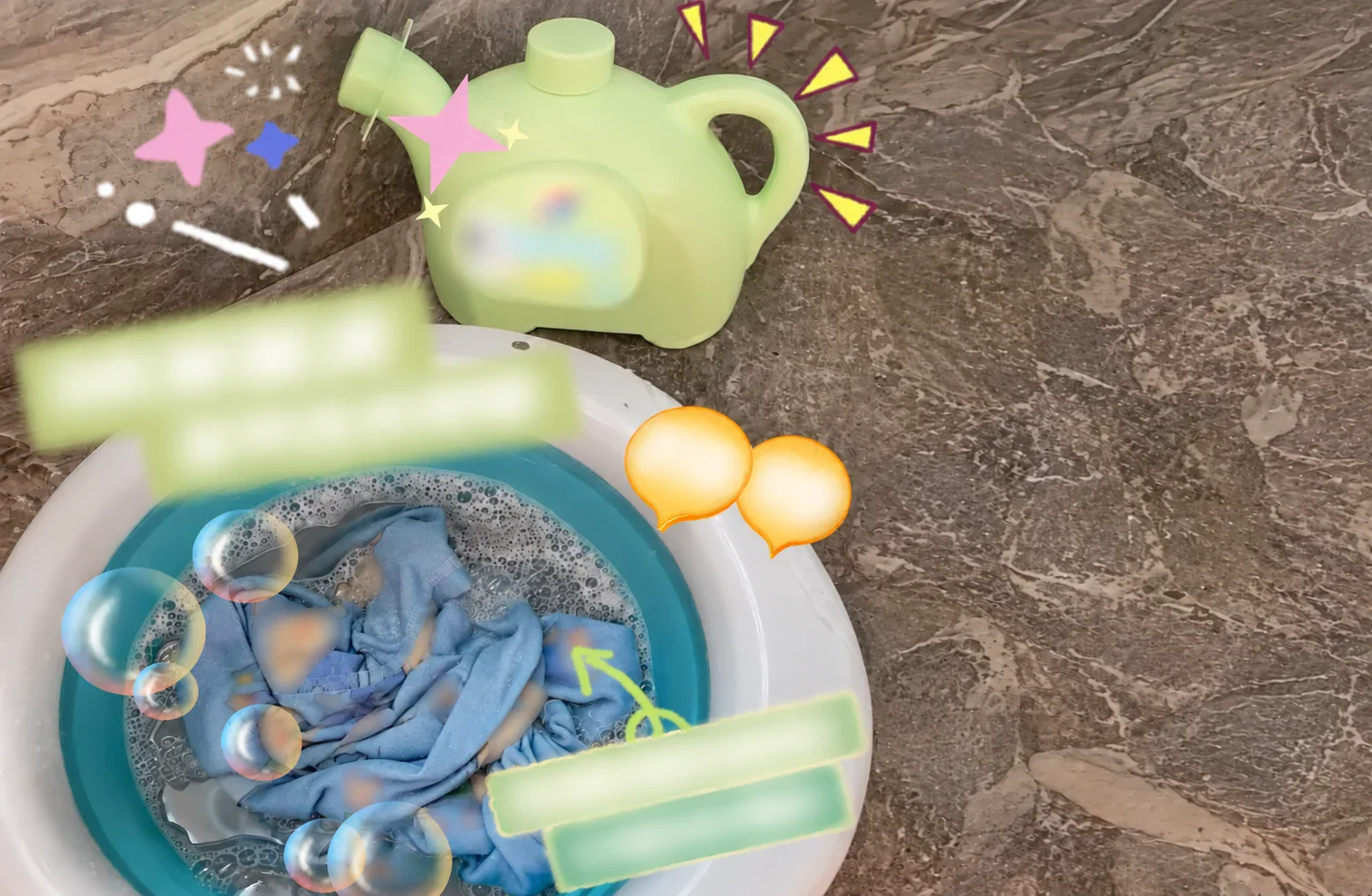
Once the contents are finished, consider whether the container is worth keeping. Are the handle, spout and cap intact? Can residues be managed according to the relevant instructions? Is there an actual need to water ornamental plants? If you are unsure about residue handling or the intended purpose, ask the supplier about a suitable approach before deciding whether to keep the container for that new use.
A second purpose should fit the household. Someone who already has a useful watering tool, or nowhere to keep another container, need not accumulate an idle object. A genuine need for a suitable small watering vessel provides a clearer reason to retain it. Handling, filling and storage should be considered against the actual item and routine, rather than decided by an illustration.
This fits a broader approach to reducing waste and extending use. The US EPA identifies maintaining plastic items and reusing or repurposing containers as options, while advising people to check local recycling acceptance. The OECD’s 2022 Global Plastics Outlook examines environmental issues across the plastics lifecycle. Keeping a pack and eventually managing it belong in the same household decision.
Finding another use at home also differs from returning packaging for washing and refilling. UNEP’s 2023 report introduction discusses complementary reuse and recycling routes; the Ellen MacArthur Foundation’s study that year examines collection, washing and transport conditions in return systems. The watering-can format offers a possible different household role, rather than evidence that such a return system is operating.
Nor does a second-purpose shape translate directly into a carbon-saving figure. A 2025 takeaway-container study presented by the University of Michigan’s Center for Sustainable Systems shows that collection and washing scale affect environmental and cost results. It did not study this detergent pack. Quantifying this design would require its own material, cleaning and actual-use data; for now, it is a direction to evaluate.
For domestic private-label work, an early discussion can focus on the information customers receive: the detergent’s identity and directions, guidance about a later container purpose, and any performance or environmental statements needing separate support. The product’s published cooperation information includes packaging and label-content assistance. Brands can discuss both stages when confirming samples and packaging files for the particular project.
Whether to keep the empty pack or manage it through an appropriate local route comes back to practical questions: is it intact, is the purpose suitable, and will it actually be used? Clear answers make the watering-can format more than a visual feature, giving households and brands a concrete option to discuss when choosing, using and explaining the product.