Direct answer
A washed waterproof jacket no longer beads water: add more detergent, or check washing, rinsing and DWR care?
Do not add more detergent first. A jacket that no longer beads water may need cleaning, thorough rinsing and suitable water-repellent care under its label, rather than more wash product. Surface wetting alone does not establish membrane failure. Check the garment and washing machine instructions, use the detergent permitted for that model and do not add softener. Drying, heating or replenishing DWR must follow the specific construction and care requirements; persistent-beading surfaces cannot follow ordinary outerwear steps automatically.
Distinguish a wet face fabric from actual leakage. GORE-TEX explains that DWR treats the outer textile surface so water rolls off. A saturated outer fabric may feel cold and clammy, but this differs from the waterproof membrane’s function. If seam tape is peeling, the garment is damaged or leakage persists, contact the clothing manufacturer. Adding detergent or spraying a water-repellent product is not a guaranteed repair.
Before washing, check both the garment label and the equipment instructions. Columbia’s rain-jacket guide warns that some high-efficiency top-loading machines may restrict washing waterproof clothing, so check the machine manual first. Prepare zippers, hook-and-loop fastenings and cords as the garment requires. Another jacket’s machine-wash permission does not establish that every shell, lining and household machine can use the same programme.
Choose detergent by more than its liquid form. GORE-TEX’s general outerwear guidance allows a small amount of liquid detergent, whereas Arc’teryx requires technical detergent for its technical outerwear. Helly Hansen also prioritises technical wash products and limits additives when ordinary detergent is used. These cannot be combined into permission for any household laundry liquid. Follow the more specific requirements for the garment in hand and do not add fabric softener.
Water temperature and programmes cannot be transferred between brands either. Columbia’s rain-jacket section specifies a cold, gentle wash, while the relevant GORE-TEX outerwear guide lists 40°C. The correct choice depends on the garment label and construction, not the assumption that hotter means cleaner. Measure the permitted detergent according to its instructions; do not keep increasing concentration or repeating intensive washing just because the surface no longer beads water.
Rinsing is a separate step. GORE-TEX and Helly Tech guidance both address detergent residue, while Arc’teryx also calls for an empty rinse beforehand to remove residue from the washing machine. Rinse thoroughly as the garment and machine allow. More foam or stronger fragrance does not signal restored water repellency. Once clean, dry as instructed before deciding whether further water-repellent care is needed.
Cleaning, drying, heating and replenishing DWR are different tasks. Where permitted, wash and dry the garment first, then use the allowed method to help reactivate existing treatment. If replenishment is needed, also check the DWR product instructions. Do not apply one brand’s extra 20 minutes of tumble drying, or another page’s timing, to every jacket, and do not use unapproved high heat for speed.
Special constructions need separate care. GORE-TEX says persistent-beading surfaces such as SHAKEDRY have no conventional textile face layer and do not need DWR replenishment; its instructions prohibit tumble drying, ironing and applying DWR. A general outerwear “heat activation” step must not be transferred to these garments. Identify the construction first and ask the garment manufacturer if uncertain.
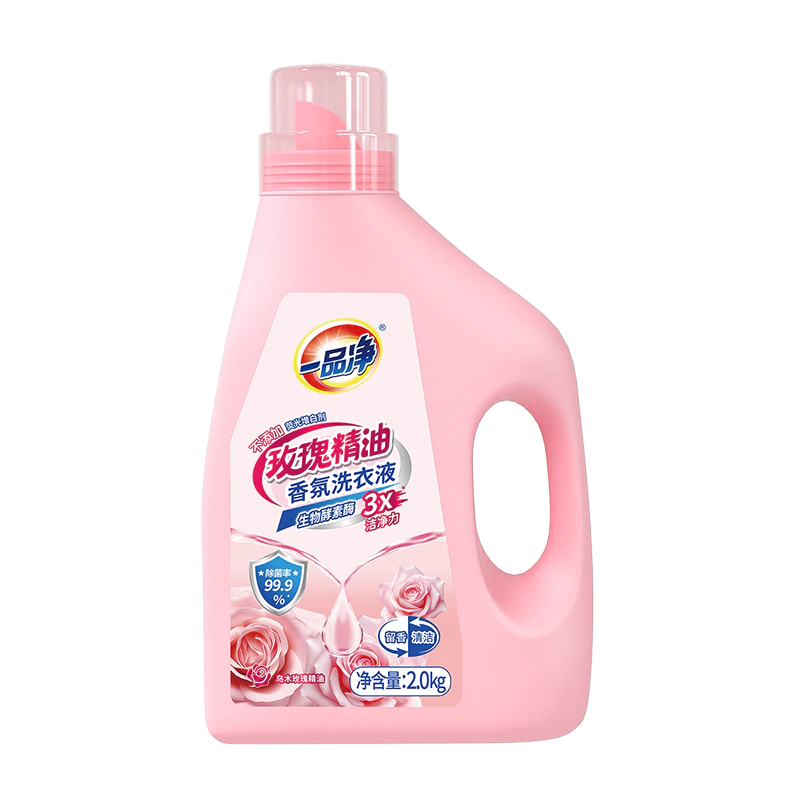
The packaging for Yipinjing’s 2.0kg rose-scent laundry detergent instructs users to consult clothing care labels and notes that excess product causes excess foam. For ordinary clothing, follow the purchased packaging and garment label. A fragranced laundry liquid is not an unscented technical-wear wash merely because of its name. If the jacket specifies a specialist wash or restricts relevant additives, select a suitable product under that garment’s requirements.