WHO and UNICEF are consulting on the draft Hand Hygiene Guidelines Implementation Toolkit from 15 October to 15 November 2026; the consultation is still open. The official page invites comments on the toolkit structure, supporting tools, country experience and resources. The final toolkit is yet to be published.
The toolkit proposes two complementary pathways: a national enabling environment, including governance, financing and planning; and community service delivery, including infrastructure, supplies and behaviour change. Once a handwashing point has been built, community service providers also need to arrange continuing access to water and soap and responsibility for maintenance.
The community hand hygiene guidelines summary published by WHO and UNICEF in September 2026 identifies materials, information, and a supportive physical and social environment as core requirements. It also stresses the links between policy, financing, implementation and monitoring. Moving beyond short campaigns requires supplies, clear instructions, budgets and management responsibilities that match conditions on site.
UNICEF USA’s Global Handwashing Day 2026 material likewise brings together safe water, soap and working facilities, alongside policies, services, community workers and communication. Infrastructure, daily management and behaviour support therefore need to progress together: facilities that frequently lack water or soap, or publicity without usable facilities, are unlikely to provide a stable service.
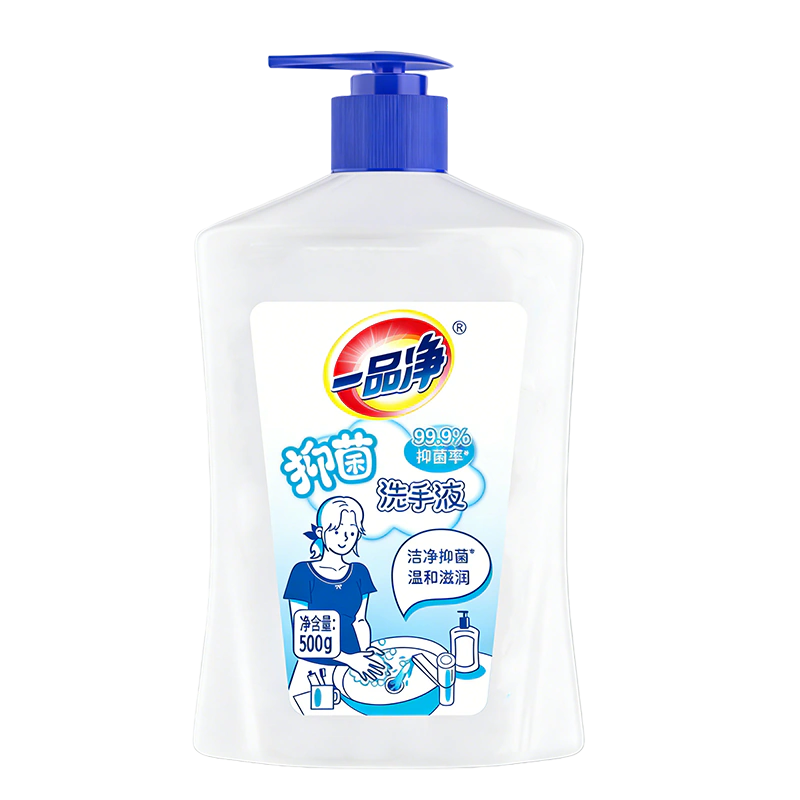
When organising supplies, choose a specific pack size and plan replenishment and storage. Yipinjing 500g antibacterial hand wash is a liquid product supplied in 500g bottles; its product page provides specifications and directions. Community operators also need to check facility compatibility, expected consumption and who will replenish supplies, linking the product to on-site management.
For household hygiene services, the WHO/UNICEF Joint Monitoring Programme offers an observable distinction: a handwashing facility at home with water and soap available qualifies as a basic service. A facility lacking water or soap is a limited service; facilities may be fixed or mobile. Daily checks can draw on this distinction: is the facility usable, are water and supplies available, and who is responsible for replenishment and repairs?
The US Centers for Disease Control and Prevention also describes soap and clean running water as the regular combination for everyday handwashing. Facility managers should consider water supply, placement, replenishment and fault handling when choosing supplies. Planning procurement alongside routine checks makes management easier than responding only after water or soap runs out.
The consultation gives community operators, facility managers and suppliers a shared opportunity to check responsibilities: who manages budgets and replenishment, who repairs faults, how shortages are recorded, and how instructions match site conditions. Including these questions in daily routines can turn a purchase or campaign into a continuing service. Interested parties can use the official WHO consultation page to view materials and participation details before 15 November.