World Toilet Day falls on 19 November. This year UN-Water is looking at sanitation and gender equality together. Whether a toilet is safe and private, and whether people can wash their hands afterwards with soap and water, affects how comfortably they can attend school, work and travel. That is why this year’s campaign focuses on women and girls.
In its November preview, UN DESA notes that unsafe facilities or a lack of privacy can limit education, employment and participation in public life for women and girls. Involving users in planning and managing improvements reveals more than counting new toilets alone. At school, for example, managing menstruation in private depends on having toilets, water and a way to dispose of menstrual waste.
Safely managed sanitation is not a measure of how a toilet looks. Under the household monitoring definition cited by the campaign, an improved facility must not be shared with other households, and excreta must be safely dealt with on site or removed for treatment elsewhere, for example by emptying a containment system or using a sewer. That definition is for household service statistics, not for grading school or public toilets.
WHO’s 5 November update shows that around 58% of the world’s population, or 4.8 billion people, used safely managed sanitation services in 2024. Those figures are for 2024. The WHO/UNICEF Joint Monitoring Programme’s household report also tracks differences between rural and urban areas and between population groups. A higher overall coverage rate does not mean every area and group improved at the same pace.
Keeping facilities usable depends on how they are managed after construction. WHO identifies funding, staffing, regulation and ongoing monitoring as part of expanding sanitation services. In schools and workplaces, that also means assigning someone to check locks and water supplies, restock handwashing supplies and arrange prompt repairs. Cleaning does not replace these tasks.
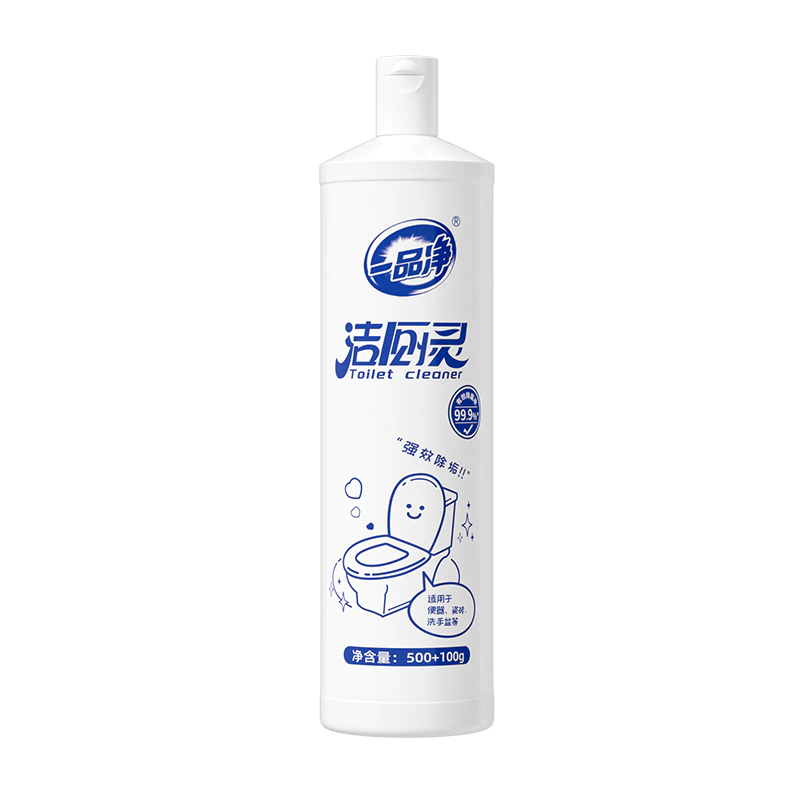
For routine upkeep, cleaning a toilet bowl and maintaining a sanitation service are different jobs. Yipinjing 600 g toilet bowl cleaner is intended for suitable surfaces such as acid-resistant ceramic bowls. Check the packaging for suitable materials and directions. Do not mix it with bleach, 84 disinfectant or other chemical products. Cleaning products address the relevant surfaces; facility operators are still responsible for water, privacy and safe disposal of excreta.
Ahead of World Toilet Day, consider how people use facilities: when they can get in, whether the door shuts properly, whether soap and water are available, and who handles problems. Making these questions and users’ feedback part of routine maintenance helps keep facilities usable long after they are built.