Direct answer
Can a washed rice-cooker pan go straight back in while its outside is still wet?
Do not put it straight back in for heating. Following your model’s instructions, unplug and let the cooker cool fully, dry the outside and bottom of the pan and the accessible heating plate, and remove rice grains or debris between contact surfaces before refitting correctly. Water needed inside for cooking is different from residual water outside; there is no need to pour out the cooking water. Never immerse the base. If water enters the main unit or abnormalities persist, stop using it and contact service rather than trying to heat the problem away.
After washing the pan, inspect its outside as well as the clean interior. Rinse water or rice grains may remain around the rim, sides and bottom. Zojirushi’s maintenance guidance says to wipe moisture and rice from the outside before placing the pan in the cooker. Washing the pan and checking contact surfaces before reassembly are consecutive steps; putting it back immediately after washing does not establish that those surfaces are ready for powered use.
Before cleaning or inspecting the heating plate, unplug the cooker and let it cool fully. Panasonic places this before cleaning and says never to immerse the base. Wipe the accessible heating plate only as your model allows and let it dry completely before reassembly. Do not open the appliance to investigate where water went, and do not rinse the entire cooker under a tap.
Treat water inside and outside the pan separately. Panasonic’s SR-AFG186 cooking instructions say to add the water needed for cooking, then dry the outside before placing the pan in the body and connecting power. There is no contradiction: rice and water inside are for cooking, while the outside bottom needs to be dry and in correct contact as instructed. “Dry the outside” does not mean the pan must contain no water before cooking.
Check that the pan is seated correctly. Panasonic’s use guidance says it should contact the heating plate properly; a wet exterior may cause noise and damage. If rice grains or foreign material are underneath, unplug, let it cool, clean as instructed and check the position again. Do not force, strike or repeatedly switch the cooker on to make a poorly seated pan settle into place.
Do not automatically attribute an unusual sound to moisture. Panasonic’s commercial rice-cooker support page lists water between the pan and heating plate as one possible cause and advises checking and drying them; it does not explain every sound from every model. For a home cooker, follow its own instructions, stop use, unplug and let it cool. Persistent abnormalities, an unusual smell or suspected water ingress need assessment by service.
Choose tools and methods for removable parts according to the instructions too. Panasonic recommends a soft sponge or cloth for the pan, avoiding abrasive tools that could damage non-stick surfaces; Zojirushi also describes soft-sponge cleaning and softening stuck residue. Do not scrape stubborn rice with metal tools; use a method permitted for the model. Whether the inner lid detaches or can be washed cannot be copied from another cooker.
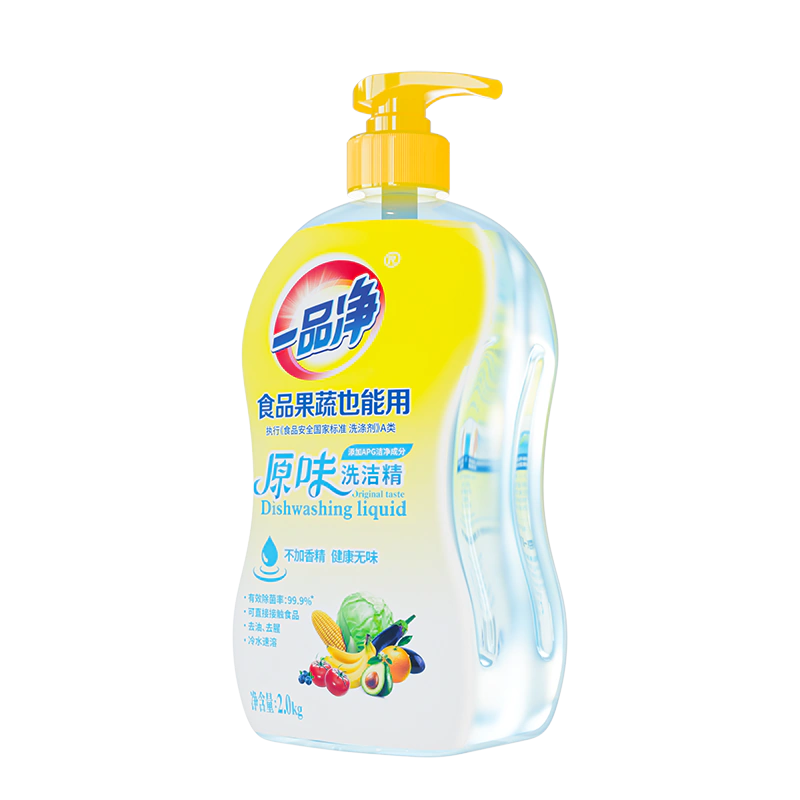
Yipinjing 2.0kg original dishwashing liquid is for dish cleaning. If your model permits hand dishwashing liquid for the relevant removable parts, check the purchased pack as well, then clean and dry the parts before refitting as required. Permission to hand-wash a pan does not justify pouring cleaning liquid into an electrical base or extending that method to the whole appliance and every coating.
Finally, check that the inner lid, steam vent and other parts have been refitted as your model requires. Different designs can have different removal, cleaning and assembly procedures; Panasonic and Zojirushi both emphasise drying relevant cleaned parts. Before putting the pan back, inspect its outside, bottom and contact surfaces; powered heating is not a substitute for wiping them dry. Stop use if water ingress is uncertain or abnormalities persist, and give service the model and observed symptoms.